
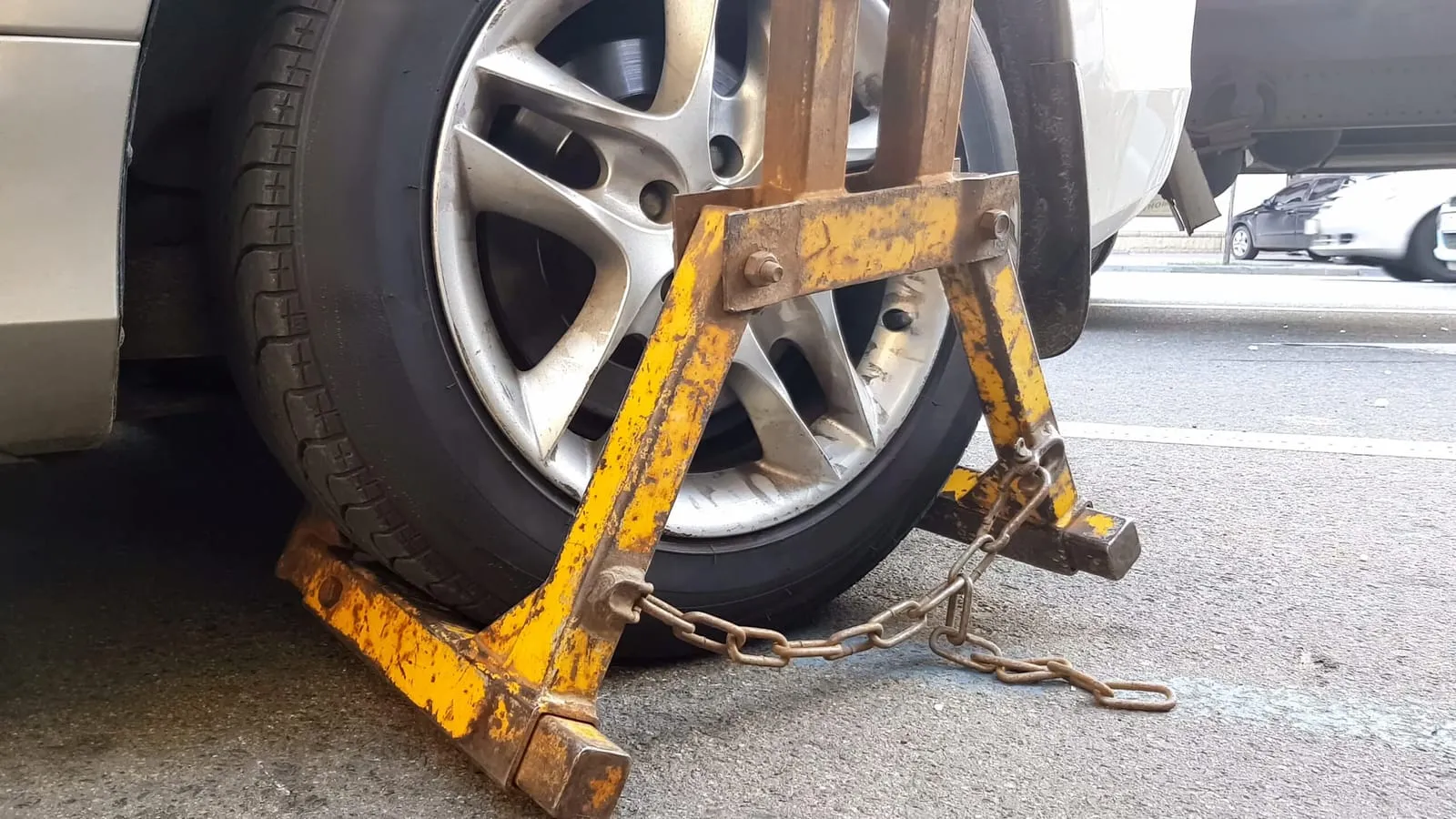
Release a seized car or van
Impound Release Insurance
A 30 day, third party only policy for the registered keeper of a seized car or van, so the vehicle can be driven out of a police compound legally, with a certificate in your inbox the moment you pay.
- 30 days, third party only
- Registered keeper
- Certificate emailed on payment
- Provisional with named driver
In partnership with GoShorty
What being in partnership with GoShorty means GoShorty is a trading style of Complex to Clear Group Limited (company 05044963), a UK insurance broker authorised and regulated by the Financial Conduct Authority under reference 751221.We may be paid a fee if you take out a policy after being introduced by this website. We do not provide advice or make recommendations, and we are not an insurer or a broker.
-
FCA-regulated cover
Every policy is arranged by an authorised UK insurance broker
-
30 days
The length most pounds ask for before they release a vehicle
-
Certificate emailed to you
Your policy number and documents, minutes after paying
-
MID updated four times a day
So a roadside check shows the vehicle as insured
01
What Is Impound Release Insurance?
Impound release insurance is a 30 day, third party only policy for the registered keeper of a seized car or van, written for the insurance condition a pound sets before it releases a vehicle.
It exists for one situation. The police have seized a vehicle, usually under their power to take a vehicle driven without insurance or a licence, it is sitting in a pound, and the pound will not release it until it can leave insured for at least 30 days. An annual policy takes time to arrange and is often refused for a vehicle with a seizure against it, and every day in the pound costs money. This policy is the short route out.
It is a different product from the rest of temporary car insurance. It is third party only, it is 30 days and no other length, it cannot be changed after purchase, and it is for the registered keeper or lessee alone. Prices start from £360, and the reason is the history: the vehicle was seized because somebody drove it uninsured or unlicensed, and that is what is being priced.
02
How Do You Get Impound Release Insurance?
Enter the registration, add the keeper’s licence and address, name a driver if you need one, check every detail, then buy it and take the certificate to the pound.
- 1
Enter the registration
The number plate pulls up the vehicle. It must be the one that was seized, and it must have a valid MOT, or be driven straight to a pre-booked test, and valid vehicle tax.
- 2
Add the keeper’s details
The policy must be in the name of the registered keeper or, for a leased vehicle, the lessee with the lease as evidence. Add the licence and address. If you hold a provisional licence, or you cannot drive the vehicle yourself because of a ban, add a full licence holder over 30 as the named driver who will drive it home.
- 3
Check every field before you pay
The policy cannot be amended once bought. A wrong registration, a misspelt name or the wrong start time means buying again, and the arrangement fee is not refunded on cancellation. Read the quote and the policy wording slowly.
- 4
Buy it and go to the pound
The certificate lands in your inbox the moment you pay. Print it or keep it on your phone, gather the other documents listed below, and phone the pound before you set off so you arrive with everything it wants.
03
Why Has the Vehicle Been Seized?
Most seizures are made under section 165A of the Road Traffic Act 1988, which lets the police take a vehicle being driven without insurance or without a licence, and the route back is set out in the seizure notice.
Section 165A gives a constable the power to seize a vehicle when the driver cannot produce a valid certificate of insurance or a licence, or when the constable reasonably believes it is being driven without them. The notice left with the driver or sent to the keeper says where the vehicle was seized, where it is being kept, and what must be produced to get it back. GOV.UK adds that the police can seize, and in some cases destroy, a vehicle driven uninsured.
An untaxed vehicle is a different case. The DVLA can clamp or remove it, and GOV.UK sets out that route separately: find the vehicle, pay the release fee, and show proof of tax or pay a surety of £160 for a car. That is a tax matter, not an insurance one, and this policy does not solve it. If you are not sure why the vehicle was taken, the notice and the pound will tell you, and it is worth knowing before you spend anything.
Ready when you are
See what the policy would cost before you travel to the pound.
Just the registration to begin. Third party only, 30 days.
04
What Does the Pound Charge?
For a car or van of 3.5 tonnes or less seized by the police in England and Wales, the charges are £192 for removal, £26 for each day or part day in storage, and £96 if the vehicle is disposed of.
Those figures are the statutory charges that came into force on 6 April 2023, published in the Home Office circular on vehicle recovery charges. They are the same at every police pound in England and Wales, so a pound quoting a different figure for a standard seizure is worth questioning. The release cost calculator gives the total by the day for any vehicle class and condition, and the directory beneath it shows what each force says it wants at the pound.
The clock matters more than the policy price. A vehicle collected on day three costs £192 plus three days at £26, which is £270 before insurance. Left for a fortnight it is £556, and by then it is at risk of being sold. Under the Retention and Disposal of Seized Motor Vehicles Regulations 2005, the notice gives the keeper not less than 7 working days to claim the vehicle, and the authority may not dispose of it within 14 days of the seizure. After those periods have passed, it can.
| Charge | Amount | When it applies |
|---|---|---|
| Removal | £192 | Once, for a vehicle on the road and upright. Higher if it was off road or damaged. |
| Storage | £26 | For each period of 24 hours, or part of one, that the vehicle is held. |
| Disposal | £96 | If the vehicle is not claimed and is sold or scrapped. |
05
What Documents Does the Pound Need?
The seizure notice, a certificate of insurance showing at least 30 days of cover for that vehicle, your driving licence, proof you are the keeper or lessee, proof of identity and address, a valid MOT and tax, and payment of the charges.
The 2005 regulations say the keeper must satisfy the authority that they are the registered keeper or owner, pay the charges, and produce a valid certificate of insurance covering their use of the vehicle and a valid licence to drive it, at the police station named in the notice. The keeper may nominate someone else to produce the documents and drive the vehicle out. In practice the pound asks for the list below, and the exact form varies by force, so phone before you travel.
A standard annual or short-term certificate usually states that it is not valid for releasing an impounded vehicle. The pound reads the certificate, not the policy name, so a certificate that does not say the vehicle can be driven out of a compound will be refused, however much cover it provides elsewhere.
| What to bring | Why |
|---|---|
| The seizure notice | It identifies the vehicle and the seizure. |
| The insurance certificate | It must show the vehicle, the driver and at least 30 days of cover. |
| Your driving licence | To show the person driving out is entitled to drive. |
| Proof of ownership | The V5C log book, or the lease in your name. |
| Proof of identity and address | A recent utility bill, council tax bill or bank statement. |
| Valid MOT and tax | Or proof of a pre-booked MOT appointment. |
| Payment | The removal charge and the storage to date. |
06
What Does Impound Release Insurance Cover?
Third party only, on the one vehicle named, for 30 days.
Once the vehicle is out, arrange a normal annual policy. If you need a bridge while you do, monthly car insurance runs for up to 28 days, with its own eligibility rules, and may not accept every driver who has just had a vehicle seized.
Third party only
Injury and damage you cause to other people and their property. GOV.UK describes third party cover as the legal minimum, and that is the whole policy here. There is no cover for damage to, or fire or theft of, the vehicle you are driving out, and no comprehensive option on this product.
Thirty days, no other length
Most pounds ask for at least 30 days, so 30 days is what the policy runs for, from the start time you choose. There is no one day or one week version, and the policy cannot be extended or amended once bought.
One vehicle, the keeper’s name
Only the vehicle on the certificate is covered, and the policy must be held by the registered keeper or the lessee. A named driver can be added to drive the vehicle home, which a provisional licence holder must do.
07
How Much Does Impound Release Insurance Cost?
Prices start from £360 for the 30 days, with no basis period or range published for that figure, so treat it as a floor and expect the quote to reflect the seizure.
The quote is priced on the vehicle, the keeper and any named driver, and on the reason the vehicle was seized. A pending conviction for driving without insurance is accepted as long as the licence is not suspended, but it will be in the price. The policy is one of three costs; the other two are set by the pound.
What sets your price
- 1 The insurance policy The quote, priced on the details you declare.
- 2 The removal charge £192, set by regulation.
- 3 Storage £26 for each day or part day, set by regulation.
- 4 Vehicle tax, if it has lapsed DVLA, via GOV.UK.
Starting prices on this page are GoShorty’s published from-prices, based on quotes from December 2025 to May 2026. A starting price is the lowest sold to anyone, not a typical price, and every quote is individual. Source: GoShorty’s published prices.
08
Who Can Get Impound Release Insurance?
The registered keeper or lessee of the seized vehicle. For a car, drivers aged 21 to 69 on a full UK, EU or international licence, or 17 to 69 on a provisional licence with a named full-licence driver over 30. For a van, drivers aged 25 to 69.
Cars
A full UK, EU or international licence, aged 21 to 69. A provisional licence holder aged 17 to 69 can hold the policy as keeper, but a full licence holder over 30 must be named on it and drive the car home. The car needs a valid MOT, or a pre-booked test, and valid tax. Manufacturer-fitted options and adaptations for a disabled driver or passenger are acceptable; any other cosmetic or performance modification is not.
Vans
Drivers aged 25 to 69 on a full UK, EU, provisional or international licence, 30 days, third party only, with a named driver available. A pending conviction for driving without insurance is acceptable if the licence is not suspended. For a van you are hiring or borrowing for ordinary use rather than collecting from a pound, temporary van insurance is a different product with different rules.
Who cannot
Anyone who is not the registered keeper or lessee, and anyone whose licence is currently suspended. After the vehicle is out, a driver who passed recently can read what the ordinary temporary quote will ask on the new driver insurance page.
09
What Happens If You Drive Without the Right Cover?
Driving the vehicle out on a certificate that does not cover its release, or without any cover at all, is driving without insurance: a fixed penalty of £300 and six points, or an unlimited fine and disqualification at court, and the vehicle can be seized again.
GOV.UK sets out the penalties: a fixed penalty of £300 and 6 penalty points, or at court an unlimited fine and possible disqualification, and the police have the power to seize, and in some cases destroy, the vehicle. A second seizure on the way home from the first is not rare, and it starts the charges again from £192.
The other risk is time. Leave the vehicle unclaimed past the period in the notice and the 7 days from seizure (14 for vehicles seized before 22 July 2026), and the authority may sell or scrap it, with the disposal charge added to what you owe.
Questions
Impound Release Insurance: FAQs
What does impound insurance cover?
Third party only: injury and damage you cause to other people and their property while driving the named vehicle. It does not cover damage to, or theft of, the vehicle itself. It runs for 30 days from the start time you choose, and it exists to satisfy the pound’s requirement for a certificate showing at least 30 days of cover.
How much is impound insurance roughly?
Policies start from £360. No basis period or range is published for that figure, so treat it as a floor. On top of it the pound charges a removal fee of £192 and storage of £26 for each day or part day the vehicle is held, under the 2023 charges for England and Wales.
Why is impound insurance so expensive?
Because the vehicle has already been seized, usually for being driven without insurance or a licence, and insurers price that history as a high risk. The policy also has to run for 30 days whether you need all of them or not. The quickest way to keep the total down is to buy it on the first day, because the pound’s storage charge runs daily.
Can I get my car out of impound without impound insurance?
Only if you already hold a policy whose certificate covers the release of an impounded vehicle for at least 30 days. Most annual and standard temporary policies say on the certificate that they do not. The pound checks the certificate, and if it does not say the vehicle can be driven out of a compound, the vehicle stays.
Can you get 1 day impound insurance?
No. Most pounds ask for a certificate showing at least 30 days of cover before they release a seized vehicle, and some ask for more, so a one day or one week policy will not do. Thirty days is the only length offered, and the pound’s own requirements are worth checking before you buy.
Does the policy guarantee the vehicle is released?
No. Insurance is one of the conditions. The pound also needs the seizure notice, proof you are the registered keeper or lessee, your licence, proof of identity and address, a valid MOT and tax, and the release and storage charges paid. If the authority that seized the vehicle has another reason to hold it, that is between you and them.
Can someone else drive the vehicle out for me?
Yes, by adding a named driver to the policy. A provisional licence holder has to do this, naming a full licence holder over 30 who drives the vehicle home. The policy itself must still be in the registered keeper’s or lessee’s name.
Can I buy it with a pending uninsured driving charge?
Yes, as long as your licence has not been suspended. A pending conviction for driving without insurance is taken into account in the price, not used to refuse the quote.
Can I change the policy after I have bought it?
No. An impound policy cannot be amended once it has been purchased, and if it is cancelled the arrangement fee is not refunded. Check the registration, the names and the start time before you pay.
Does it cost anything to get a quote?
No. Getting a quote is free and you are under no obligation to buy. We may be paid a fee by the broker if someone takes out a policy after being introduced by us. It does not change the price you are quoted.
Need cover today?
Get Your Temp Insurance Quote
A 30 day, third party only policy for the registered keeper of a seized car or van, so the vehicle can be driven out of a police compound legally, with a certificate in your inbox the moment you pay.
In partnership with GoShorty
What being in partnership with GoShorty means GoShorty is a trading style of Complex to Clear Group Limited (company 05044963), a UK insurance broker authorised and regulated by the Financial Conduct Authority under reference 751221.We may be paid a fee if you take out a policy after being introduced by this website. We do not provide advice or make recommendations, and we are not an insurer or a broker.